
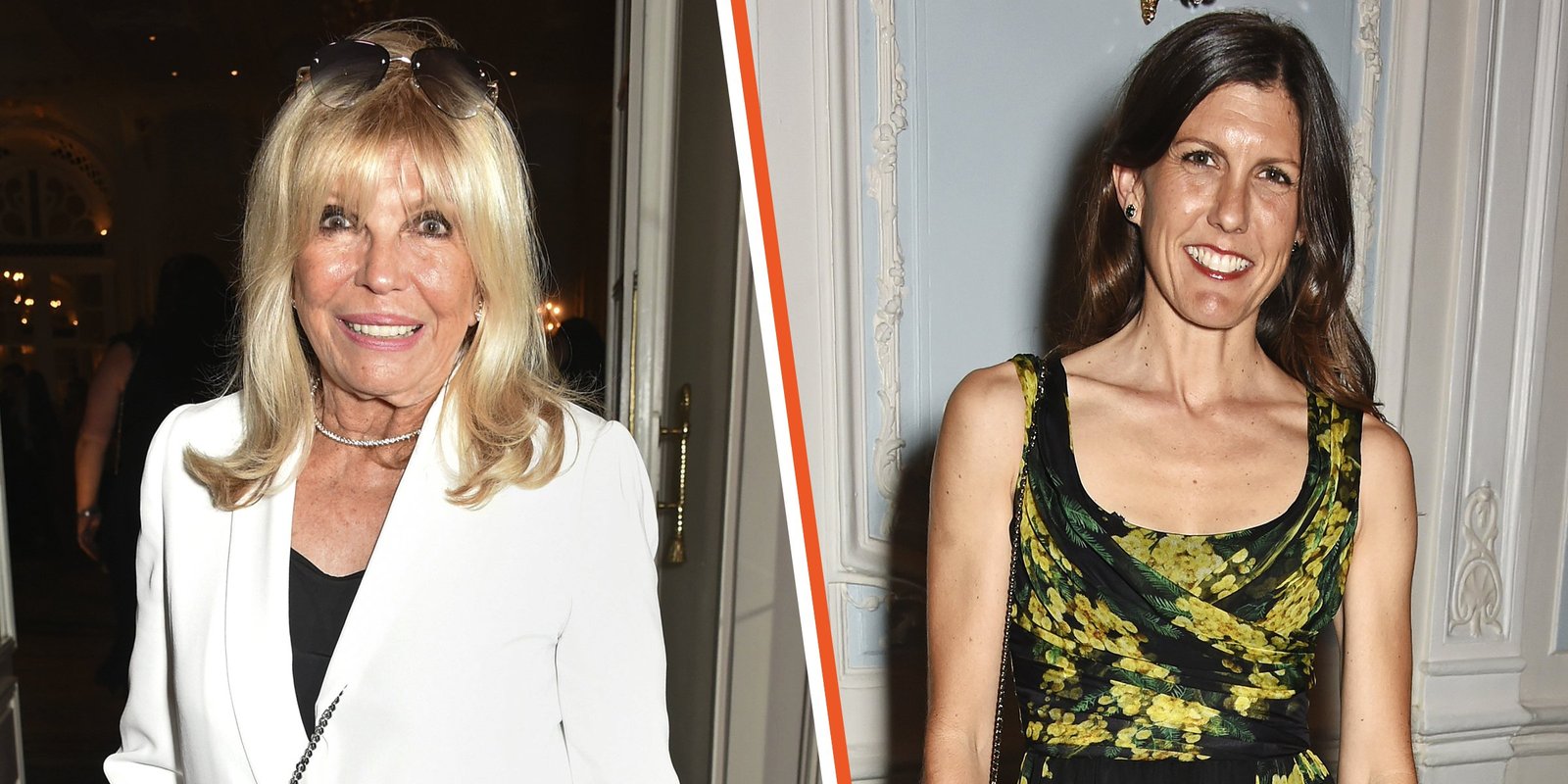
Amanda Kate Lambert is an American artist, photographer, and writer best known as the granddaughter of legendary singer Frank Sinatra. She has built her own creative identity through visual art, photography, and writing, focusing on storytelling, heritage, and cultural memory. Rather than pursuing mainstream celebrity fame, she developed a thoughtful artistic career influenced by family history, art education, and personal creativity.
Creative heritage sometimes shapes a person’s path in unexpected ways. Born into one of the most famous entertainment families in American history, this artist chose a quieter yet deeply meaningful creative journey. Through photography, visual storytelling, and writing, she explores identity, memory, and family legacy. While many people recognize her connection to the iconic Sinatra family, her professional work reflects independent artistic growth rather than reliance on celebrity lineage. Over the years she has produced thoughtful artwork, collaborated on projects preserving family history, and contributed to cultural storytelling. This article explores her biography, upbringing, creative influences, artistic work, education, family heritage, and the broader cultural significance of her contributions.
Early Life and Family Heritage
Growing Up Inside an Iconic Entertainment Legacy
Being born into a family connected to one of the greatest music icons in history naturally attracts public curiosity. Raised in a creative environment influenced by music, film, and visual arts, she experienced a childhood surrounded by cultural storytelling and artistic expression. Family gatherings often included conversations about art, performance, and history. Despite this powerful background, her upbringing emphasized individuality rather than pressure to follow a specific career path. Her mother, Nancy Sinatra, built her own musical success while also encouraging independent creative thinking in her children. As a result, creativity became less about fame and more about expression. This environment helped nurture curiosity about photography, writing, and visual storytelling. Instead of entering the spotlight through music like earlier generations, she explored quieter artistic mediums that allowed deeper personal reflection and creativity.
Quick Bio Table
| Detail | Information |
| Full Name | Amanda Lambert |
| Profession | Artist, Photographer, Writer |
| Known For | Creative work and Sinatra family heritage |
| Grandfather | Frank Sinatra |
| Mother | Nancy Sinatra |
| Sibling | AJ Lambert |
| Nationality | American |
| Fields | Photography, visual art, writing |
| Notable Work | Family storytelling and creative projects |
| Artistic Focus | Memory, identity, heritage |
Education and Artistic Development
Education played an important role in shaping her artistic perspective. From a young age, she demonstrated an interest in visual observation and storytelling. Photography became an especially powerful tool because it allowed her to capture emotions, environments, and historical moments through imagery. Formal education in the arts further refined her creative instincts, teaching technical photography skills, composition, and narrative structure. During her academic journey, she studied both classical artistic techniques and contemporary creative expression. Exposure to museums, galleries, and art history expanded her understanding of cultural storytelling. These experiences encouraged experimentation with different mediums including photography, mixed media art, and written narratives. Over time, her work began to reflect a blend of historical appreciation and modern creativity. Rather than focusing on celebrity culture, her studies pushed her to explore themes like memory, identity, and the preservation of personal history.
Discovering Photography as a Creative Voice
Photography eventually became one of her most powerful creative outlets. Unlike performance arts that require public attention, photography allows the artist to remain behind the camera while still shaping powerful narratives. Through this medium she developed a unique ability to capture subtle emotional moments and meaningful details. Her photographic style often focuses on natural lighting, intimate portraits, and authentic environments. Instead of staged glamour imagery, many of her works emphasize honesty and storytelling. This approach reflects a broader artistic philosophy: art should document real experiences rather than simply create spectacle. Photography also provided a way to explore family archives and historical imagery connected to the Sinatra legacy. By examining old photographs, letters, and memorabilia, she gained a deeper appreciation for visual storytelling as a method of preserving cultural memory across generations.
Artistic Influences and Creative Inspiration
Creative inspiration often comes from multiple sources, and her work reflects a diverse set of influences. Classic photography, documentary storytelling, and vintage Americana aesthetics all appear in her artistic style. Growing up around musicians and performers also shaped her sensitivity toward emotional expression. Observing artists create music, write lyrics, and perform on stage helped her understand the importance of authenticity in creative work. Historical photography from the mid-twentieth century particularly influenced her visual approach, especially images that capture everyday life and human connection. Literature and memoir writing also inspired her storytelling techniques. Instead of separating visual art from written narrative, she frequently integrates both forms of expression. This interdisciplinary approach allows her to communicate complex ideas about family, identity, and heritage through multiple artistic formats.
Life as the Granddaughter of a Music Legend
The legacy of Frank Sinatra is one of the most influential in entertainment history. As his granddaughter, she inherited a cultural heritage that spans music, film, and American popular culture. However, family members often emphasize that legacy should inspire creativity rather than define it. Growing up around stories about the golden era of Hollywood and classic Las Vegas performances offered unique historical insight. These experiences provided a personal connection to a period that shaped twentieth-century entertainment. At the same time, maintaining a private life away from constant media attention allowed space for independent artistic development. Rather than focusing solely on the fame associated with her grandfather’s name, she explored how family stories, photographs, and memories could become artistic inspiration. This perspective helped transform heritage into meaningful creative expression.
Relationship With Her Mother Nancy Sinatra
Family relationships often shape artistic identity, and her bond with Nancy Sinatra played an important role in creative growth. Known worldwide for her iconic music career and distinctive style, Nancy Sinatra represents a powerful example of individuality within a famous family. Observing her mother balance public success with personal authenticity provided valuable life lessons. She learned that artistic careers require dedication, originality, and resilience. At home, conversations about music, storytelling, and creative collaboration were common. This environment encouraged exploration rather than imitation. Even though their artistic fields differ, both share a passion for meaningful storytelling. While Nancy expresses creativity through music and performance, her daughter channels similar emotions through visual art and photography. Their shared appreciation for culture and creativity helped strengthen a supportive artistic relationship.
Also read this: Makena Lei Gordon Carnahan Biography, Family Background, Career, and Rising Future
Exploring Writing and Storytelling
Beyond photography and visual art, writing became another important form of expression. Storytelling through words allows deeper exploration of family memories, historical reflections, and personal experiences. She has contributed to projects that document stories from the Sinatra family archive, offering readers a more intimate perspective on cultural history. Writing also complements visual work because it adds context and emotional depth to photographs. Through essays and collaborative projects, she helps preserve historical narratives that might otherwise fade with time. This storytelling approach reflects a commitment to preserving heritage while presenting it in modern formats. Instead of focusing solely on celebrity anecdotes, her writing often explores universal themes such as family bonds, generational memory, and the way personal stories shape identity.
The Importance of Preserving Family History
Family archives contain valuable pieces of cultural history, and preserving them requires careful attention. Over the years she has shown strong interest in documenting photographs, letters, and memorabilia connected to her family’s legacy. Historical preservation is more than nostalgia; it helps future generations understand the social and artistic context of earlier decades. By organizing and sharing archival materials, she contributes to a broader cultural narrative about American entertainment history. Photography plays an important role in this process because visual records often communicate emotions and historical moments more effectively than written descriptions. Through creative projects, she helps ensure that family stories remain accessible and meaningful. This dedication to preservation reflects respect for both personal heritage and the broader cultural impact of the Sinatra family.
Independent Artistic Identity
One of the most important aspects of her career is the determination to build an identity separate from family fame. Many descendants of famous figures struggle with expectations or comparisons, but she approached creativity from a different perspective. Rather than entering the music industry or pursuing celebrity exposure, she focused on quieter artistic disciplines that allow deeper exploration of personal themes. This independence helped establish credibility within creative communities beyond entertainment journalism. Her work is often appreciated for its authenticity and thoughtful storytelling rather than celebrity connections. By prioritizing artistic integrity, she demonstrates that legacy can inspire creativity without overshadowing individuality. This balanced approach allows audiences to appreciate both her personal work and the historical context surrounding her family.
Artistic Style and Visual Themes
Her visual style reflects a blend of documentary realism and nostalgic aesthetics. Many photographs emphasize subtle details, emotional expressions, and atmospheric environments. Natural light, candid moments, and understated compositions often define the tone of her work. Instead of dramatic editing or heavy digital manipulation, the imagery tends to preserve authentic visual textures. Themes frequently include memory, heritage, and human connection. By focusing on genuine experiences rather than staged spectacle, she creates photographs that feel intimate and reflective. This style aligns with her broader storytelling philosophy: art should capture the emotional truth of a moment. Over time, these creative choices have shaped a recognizable artistic voice rooted in observation and narrative depth.
Collaborations and Creative Projects
Throughout her career she has participated in various creative collaborations that combine photography, writing, and archival storytelling. Collaborative projects often involve historians, writers, or family members working together to present historical narratives in modern formats. These projects sometimes explore personal memories connected to the Sinatra family while also highlighting broader cultural moments from twentieth-century American entertainment. Working with other creatives allows ideas to expand beyond individual perspective. Collaboration also strengthens the preservation of family history by bringing together expertise in research, design, and storytelling. These partnerships demonstrate how artistic work can connect personal heritage with wider cultural conversations about music, film, and American pop culture history.
Public Interest and Media Attention
Because of the global recognition associated with the Sinatra name, public interest in family members remains strong. Media outlets often explore stories about descendants of famous cultural icons. However, she maintains a relatively private lifestyle compared to many celebrity families. This balance allows her to continue creative work without constant public scrutiny. Interviews and features typically focus on artistic projects rather than personal celebrity narratives. Maintaining privacy also protects the authenticity of her work, allowing audiences to engage with the art itself instead of focusing solely on family connections. This careful approach to public exposure reflects a desire to prioritize creativity over publicity.
Cultural Impact of the Sinatra Family Legacy
The Sinatra family legacy represents more than musical success; it reflects an entire cultural era of American entertainment. From classic recordings and films to fashion and nightlife culture, the influence of Frank Sinatra extends across multiple artistic fields. As a member of this family, she holds a unique perspective on that historical legacy. Through photography, writing, and storytelling, she contributes to preserving and interpreting this cultural history for new generations. By documenting memories and archives, she helps ensure that the artistic achievements of earlier decades remain relevant today. Her work demonstrates how heritage can inspire creativity while also educating audiences about the cultural evolution of music and entertainment.
Personal Life and Creative Philosophy
Creative individuals often develop philosophies that guide their work, and her approach emphasizes authenticity, memory, and thoughtful storytelling. Rather than pursuing trends or commercial popularity, she values artistic sincerity. Photography and writing become tools for exploring human experiences and preserving meaningful moments. Personal reflection, historical curiosity, and artistic experimentation all contribute to her creative process. Living within a famous family background also reinforces the importance of humility and independence. These values shape both professional projects and personal life choices. By focusing on meaningful creative expression rather than public attention, she continues building a career defined by artistic exploration and cultural storytelling.
Future Creative Directions
Looking toward the future, artists who focus on storytelling often expand into new mediums and collaborations. Photography, digital storytelling, archival exhibitions, and written narratives all offer possibilities for continued creative exploration. As interest in cultural heritage grows, projects that document historical memories become increasingly valuable. Future work may include exhibitions, publications, or multimedia storytelling combining photography and written narrative. These creative directions allow deeper exploration of identity, family history, and cultural memory. By continuing to develop artistic skills while honoring heritage, she demonstrates how legacy can inspire long-term creative growth without limiting personal expression.
FAQs
1. Who is Amanda Lambert?
She is an American visual artist, photographer, and writer known for her connection to the Sinatra family and her work documenting art, culture, and personal heritage.
2. Is she related to Frank Sinatra?
Yes. She is the granddaughter of legendary singer Frank Sinatra and grew up in a family deeply connected to entertainment history.
3. What does she do professionally?
Her professional work focuses on photography, creative writing, and storytelling projects related to memory, heritage, and artistic expression.
4. Does she work in the music industry?
Unlike some members of her family, she mainly works in visual arts and storytelling rather than pursuing a music career.
5. What themes appear in her artwork?
Common themes include identity, family history, cultural memory, and emotional storytelling through photography.
6. Does she collaborate with other artists?
Yes, she has participated in collaborative creative projects involving photography, archival storytelling, and written narratives.
7. Why is public interest in her life strong?
Interest mainly comes from her connection to the Sinatra family legacy, which remains one of the most influential cultural stories in American entertainment history.
Fore more info: Dailystreet.co.uk
